Vision is one of life’s most precious gifts. It supports learning, employment, relationships, and our awareness of the world. Access to appropriate eye care is still difficult for many people, though. Millions of people are unable to obtain the necessary eye treatment due to financial constraints, ignorance, geographic obstacles, and a lack of healthcare facilities. When access is limited, vision suffers—and so do opportunities for a better life.
The Hidden Cost of Limited Eye Care
Many vision problems can be prevented, managed, or treated when identified at the right time. However, people who cannot afford eye examinations, spectacles, or medical treatment often delay seeking help until their condition becomes more serious.
For a child, undetected vision problems may affect learning, classroom participation, and confidence. For an adult, poor eyesight can reduce productivity, restrict employment opportunities, and make everyday activities difficult. For older people, untreated eye conditions may lead to a loss of independence and quality of life.
The consequences extend beyond individuals. Families, communities, and society also bear the burden when preventable vision impairment remains unaddressed.
Eye Care Should Not Be a Privilege
Access to eye care should not depend on a person’s income, social background, or place of residence. Every individual deserves the opportunity to see clearly and live with dignity.
However, underserved communities often face multiple barriers, including the cost of treatment, a shortage of eye care professionals, limited transportation, and a lack of awareness about the importance of regular eye examinations.
More than just medical treatment is needed to address these issues. It demands early screening, public education, accessible treatment facilities, community engagement, and reasonably priced services. Initiatives for eye care must reach people where they are, particularly children, the elderly, and underprivileged groups.
Building a Society Where Everyone Can See Better
Trusts, charity organisations, medical experts, volunteers, and responsible citizens can play a significant role in preventing preventable eyesight loss. Together, we can bring critical eye care closer to people who most need it through eye screening camps, the distribution of glasses, referrals for additional treatment, and awareness campaigns.
Equally crucial is raising awareness that we should not disregard visual issues. Early intervention may help stop certain disorders from getting worse, and prompt eye exams can make a significant difference.
Conclusion: A Shared Vision, A Collective Responsibility
At Achyuta Niratah Trust, our vision extends beyond improving eyesight. Our mission is to make quality eye care more accessible, affordable, and inclusive, ensuring that financial or social barriers do not determine a person’s ability to see. We recognise our responsibility to society through awareness, preventive care, early detection, and support for underserved communities.
Building a society where everyone has the opportunity to see clearly is not the responsibility of one organisation alone. It is a shared commitment that calls for compassion, participation, and sustained action. Because when access to eye care improves, opportunities grow, lives become more independent, and communities become stronger.
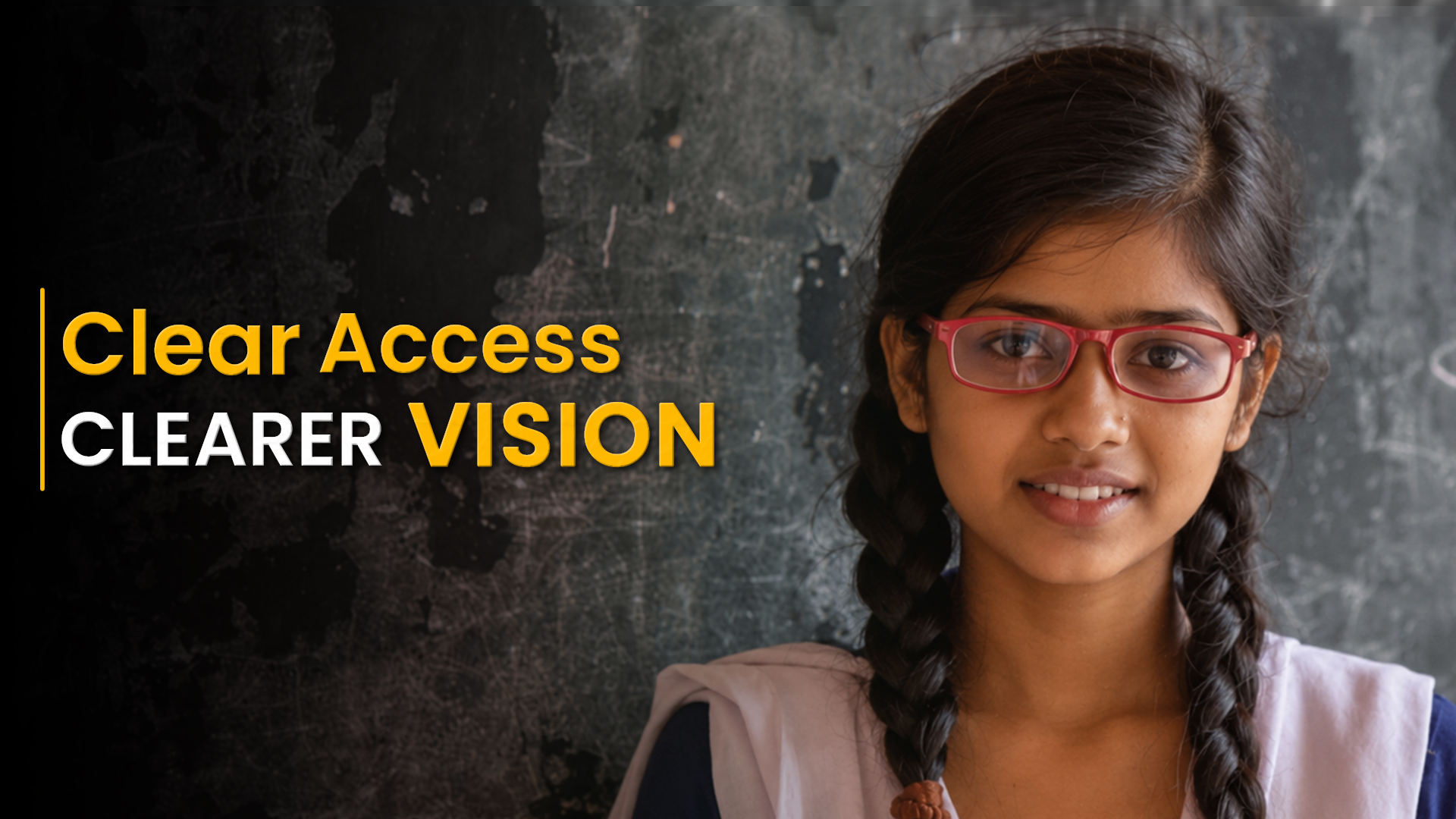
When access is limited, vision suffers. When access improves, lives change. Together, we can help build a society where clearer vision brings greater opportunity, dignity, and hope for everyone.
Frequently Asked Questions (FAQs)
Q1. How Does Poverty Affect Eye Health?
When people face financial difficulties, the high costs of eye examinations, prescription glasses, medications, and essential surgeries can prevent them from accessing the eye care they need, leaving their vision problems untreated.
Q2. Can Untreated Vision Problems Affect a Child’s Education?
Yes. When children suffer from uncorrected vision issues, basic tasks like reading textbooks, writing, and seeing the classroom board become major struggles, which can severely hinder their learning and overall academic performance.
Q3. Can Affordable Glasses Improve Someone’s Quality of Life?
Yes, wearing the correct prescription glasses can improve vision and make everyday activities like reading, studying, working, and moving around safely much easier. Without proper vision correction, people may experience eye strain, difficulty performing daily tasks, or other complications depending on their underlying eye condition. However, uncorrected refractive errors do not usually cause permanent vision loss.
Q4. How Can Communities Help People Who Cannot Afford Eye Care?
To improve access to eye care, local communities can support initiatives such as mobile eye-screening clinics, affordable eye examinations, low-cost prescription glasses, public awareness campaigns, and easier access to appropriate medical treatment.
Q5. How Can Equal Access to Eye Care Create a Brighter Future?
Ensuring universal access to eye care allows everyone to see clearly, pursue their education, work confidently, and participate fully in everyday life.