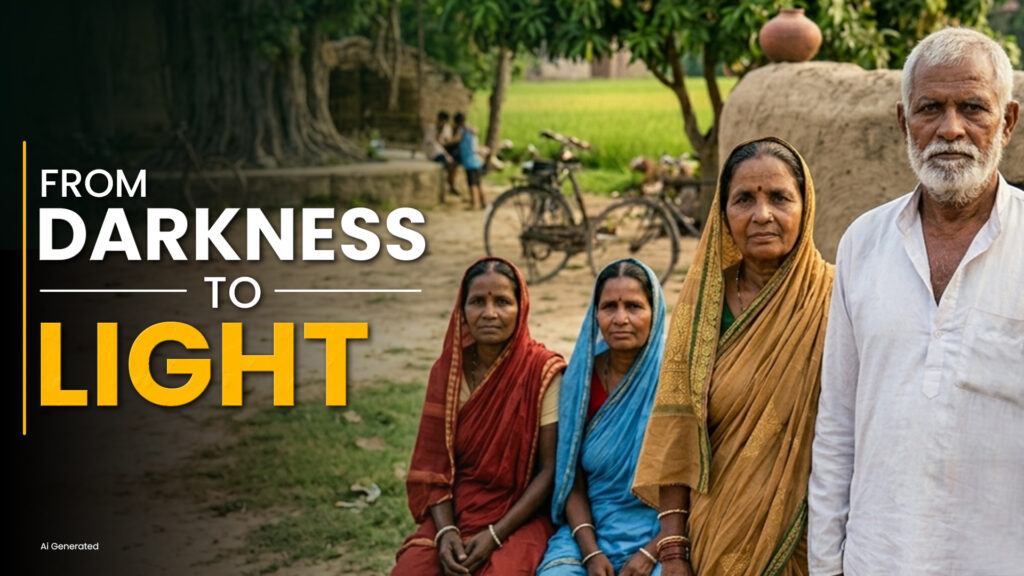
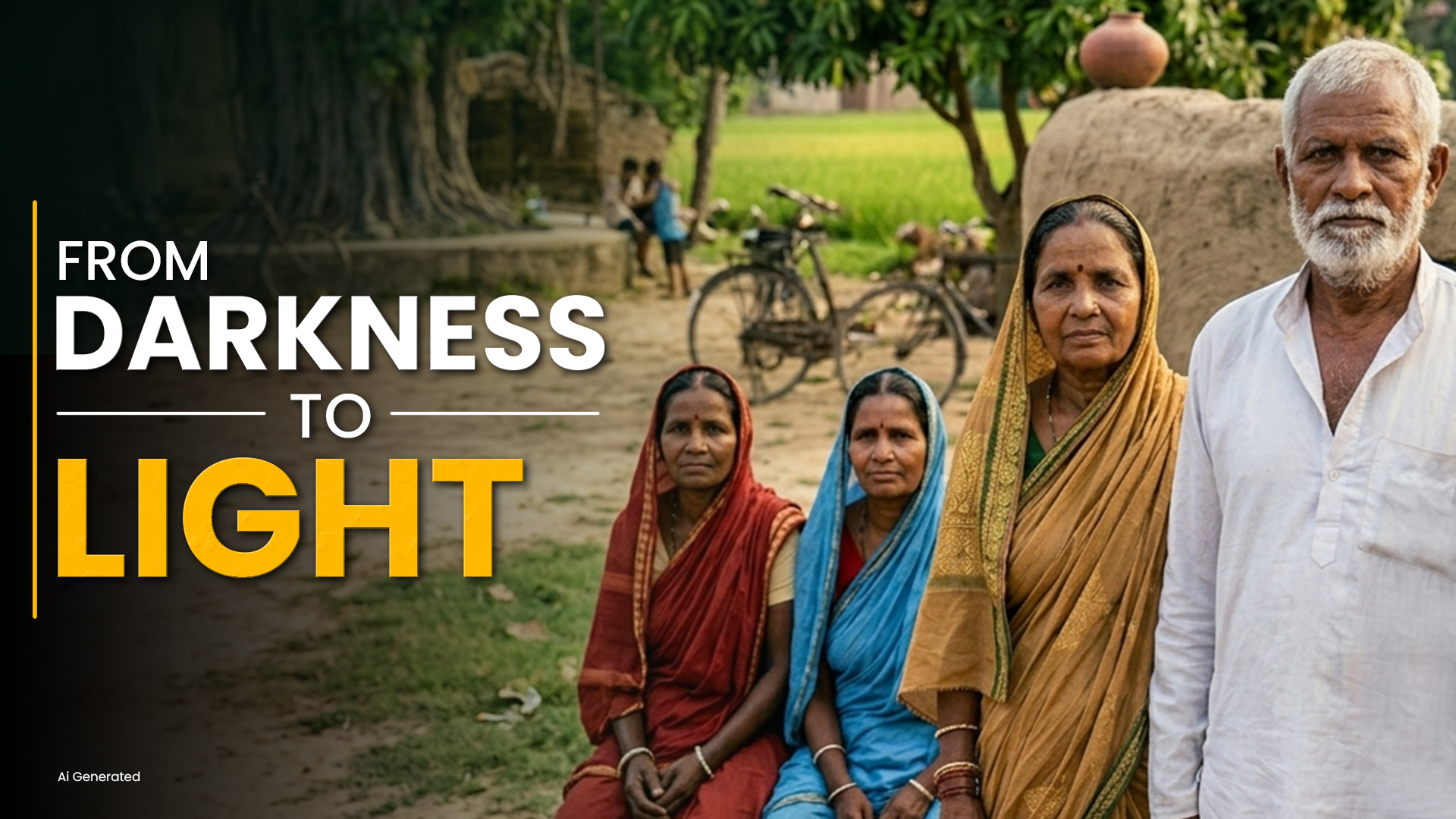
Vision is a precious gift, but in India, the fight for clear sight continues, especially for rural India. Millions of rural people continue to suffer from preventable eye diseases because of limited access and financial barriers. While urban areas have many eye hospitals and doctors, basic eye care is still a luxury in most villages.
This gap contributes to increased preventable blindness in rural communities, affecting their quality of life. Improving eye care service in rural areas is a healthcare necessity as well as a social and economic priority for the development of India.
The Achyuta Niratah Trust, a pioneer in charitable eye care services, is committed to ensuring light for the eyes of the most remote communities. Through this blog, we are going to highlight the vision challenges, raise awareness about timely care, and emphasise how the collective efforts can help eliminate blindness.
The Unique Challenges
- Limited access to qualified eye care professionals and hospitals. A simple eye screening and glasses can require travelling a long distance.
- Lack of education and awareness about vision disorders, symptoms and effective care.
- Financial problems discourage people from seeking timely care.
- Social or cultural barriers, or misconceptions, delay medical consultation.
- Malnutrition, poor hygiene, uncontrolled chronic diseases, and suboptimal use of protective eyewear increase risk for complications.
Common Diseases
- Refractive Vision Errors: Myopia, hyperopia and astigmatism are optical imperfections that prevent light from focusing properly on the retina, causing blurred vision.
- Cataracts: Clouding of the natural lens of the eyes. It causes foggy vision mainly in older people.
- Glaucoma: A silent thief of sight that damages the optic nerve and promotes blindness.
- Diabetic Retinopathy: A high blood sugar-related problem that causes preventable blindness.
- Infections and Injuries: Infections (conjunctivitis, trachoma, corneal ulcers, and others), along with injuries caused by heavy manual work, lead to severe vision loss.
The Effect on Development
- These diseases reduce the quality of life, education, independence, and earning potential of every person.
- Families face financial strain, caregiving burdens, and emotional stress.
- Communities experience lower productivity and increased social dependency.
- Poverty is worsened, and employment opportunities are limited in society.
- The economic and healthcare burden hinders rural development and national growth.
Why Early Detection Matters
Early diagnosis is one of the most powerful weapons to prevent blindness. Most of the diseases develop gradually without any symptoms. Regular eye tests by ophthalmologists are crucial to identify problems before they become severe and irreversible. The benefits are:
- Higher success rates in treatment.
- Early-stage interventions are less complex and less expensive.
- Easy to prevent permanent vision loss.
Importance of Prompt Treatment
The diseases can be effectively treated with proper ophthalmological procedures. Eye doctors treat the complications with eye drops, oral pills, glasses and contact lenses, laser therapies and surgeries. The benefits are :
- Prevention of vision impairment and preventable blindness.
- Restoration of clear vision and quality of life.
- Enhancement of educational and employment opportunities.
- Acceleration of local productivity and national economic growth.
Shared Responsibility for Deserving People
It’s a collective responsibility to save the vision of those underprivileged people. Government, private institutes, charitable trusts, healthcare professionals, community leaders and individuals must work together to ensure that quality and affordable eye care reaches every rural resident
- Hospitals with eye experts should be established.
- Checkup camp must be conducted regularly.
- Free or affordable spectacles, medications, and surgeries can be provided.
- Mobile care units need to be initiated.
- Awareness campaigns on diseases and preventive measures should be organised.
Our Services for Deserving Eyes
With a strong commitment to serving deprived people, our foundation works tirelessly to make quality eye care accessible to them. Through strategic collaborations with a leading eye hospital (Renuka Eye Institute) in Kolkata, top-rated eye care professionals, government, local organisations and individuals, we strive to prevent avoidable vision loss and improve lives with comprehensive, accessible and community-focused initiatives.
- Organising free checkup camps.
- Reaching remote areas with mobile care units.
- Distributing free glasses, medicines and drops for financially weak people.
- Arranging free or affordable surgeries for severe cases at Renuka Eye Institute.
- Conducting awareness campaigns at educational institutes and community programmes.
- Supporting individuals with medical guidance and assistance throughout the treatment journey.
Join With Us
Every individual deserves the gift of clear vision and the opportunity to live with dignity. We are dedicated to reaching underprivileged people through compassionate eye care solutions and awareness initiatives. Be a part of our mission by volunteering your valuable time, helping organise camps in your community and encouraging loved ones to attend our upcoming camps.
Connect with us through the website and help bring the light of vision to those who need it most.
Frequently Asked Questions (FAQs)
Q1. How do mobile eye clinics support rural eye health?
Mobile eye clinics bring essential eye care services directly to underserved rural communities, providing vision screenings, eye examinations, prescription glasses, and referrals for advanced treatment. By reducing travel barriers and promoting early detection of eye diseases, they improve access to quality eye care and help prevent avoidable vision loss.
Q2. Why is preventing avoidable blindness important for rural development?
Preventing avoidable blindness improves quality of life, supports education, increases productivity, and enables people to remain independent. Healthy vision helps children learn, adults work, and older adults stay active, contributing to stronger families, healthier communities, and sustainable rural development.
Q3. What are the barriers to eye care in rural areas?
People in rural communities often face challenges such as limited healthcare facilities, shortage of eye specialists, long travel distances, financial constraints, and lack of awareness about preventive eye care.
Q4. Can blindness be prevented through early eye care?
Yes. A significant proportion of blindness and visual impairment can be prevented or treated through regular eye examinations, early diagnosis, timely medical intervention, and access to quality eye care services.